
The Difference Between Copyright, Trademarks, and Patents
Intellectual property is not a single type of protection. A brand name, creative content, invention, product design, and confidential information may each involve different rights. The first question is not “How do I register it?” but “What exactly am I trying to protect?”
Short answer
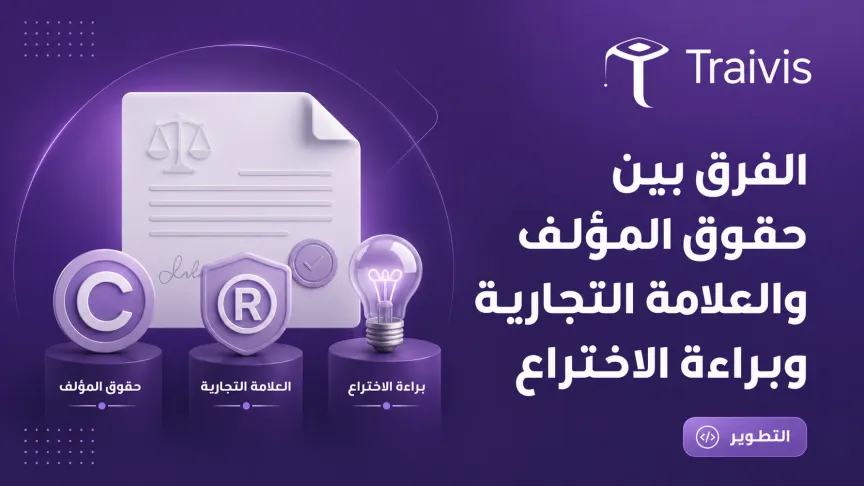
Copyright vs. Trademark vs. Patent: What Is the Difference?
A new business can create a name, logo, website content, videos, software, product designs, technical solutions, and confidential information. Intellectual property is not one type of protection; each asset may involve a different right.
What Is Intellectual Property?
It is a broad category covering creations such as inventions, literary and artistic works, designs, commercial signs, software, and certain confidential business information.
Copyright: Creative Works and Expression
Copyright generally relates to literary and artistic works such as text, images, videos, music, software, advertising, and technical drawings. It protects specific expression rather than the abstract idea itself.
Registration rules and practical evidence systems vary by country, so avoid absolute claims that registration is never relevant anywhere.
Trademarks: Business Names and Brand Signs
Trademarks generally distinguish one business’s goods or services from those of others. A social-media username, domain name, or page is not the same as trademark registration.
A Google Search Is Not a Trademark Search
General web searching is useful but does not replace official trademark databases or analysis of relevant classes and markets.
Patents: Technical Inventions
A business idea is not automatically a patentable invention. Patents relate to inventions that meet specific legal and technical requirements.
Be Careful Before Disclosing a Potential Invention
Novelty and disclosure rules can make public publication important. Specialist advice may be appropriate before sensitive disclosure.
Industrial Designs: Product Appearance
Industrial design protection generally relates to the visual or aesthetic appearance of a product rather than its technical function.
Trade Secrets: Valuable Confidential Information
Internal methods, customer lists, formulas, strategies, processes, and other commercially valuable information may involve trade-secret protection when secrecy contributes to value and reasonable confidentiality measures are used.
An NDA Is Not Everything
Confidentiality management also involves access control, secure handling, internal procedures, and appropriate offboarding practices.
One Product Can Involve Several Rights
An app may involve a trademark for its name, copyright for content and graphics, patent questions for technical innovation, design protection for a physical product, and trade-secret strategy for confidential business information.
A Trademark Does Not Protect the Entire Business
Each right has a different purpose and scope.
Create an IP Map
List important assets, who created them, whether contracts exist, whether they are public or confidential, where they are used, and which rights may be relevant.
Pay Attention to Work Created by Others
Payment to a designer or developer does not automatically answer every ownership question. Contracts should clearly address ownership, use, modification, licensing, and related rights.
Do Not Use the Wrong Legal Tool
Different assets require different strategies. An NDA, trademark, copyright, and patent are not interchangeable.
Do Not Register Everything
Prioritize assets based on business value, differentiation, revenue, licensing plans, important markets, expected useful life, and cost of protection.
From Problem to Solution
You can explore on TRAIVIS:
https://traivis.com/ar/courses/mdkhl-llmlky-alfkry
Educational content can build a clearer foundation but does not replace specialist legal advice for valuable assets, registrations, disputes, licensing agreements, or multi-jurisdiction businesses.
Your Next Step
Identify five important business assets and ask what each one is, who created it, how it is used, whether it is public or confidential, and what type of intellectual property may be relevant.
Read Also:
Is Your Idea Protected Simply Because You Thought of It First?
How Do You Identify What Should Be Protected in Your Business?
The Difference Between Trademarks and Copyright.
About the Author
Lawyer Abu Bakr Al-Din—a trainer and partner at LexPath (Abu Bakr & Al-Sini Advocates) Author of the "Legal Knowledge and Legal Literacy" series Host of the *Mizan* and *Fi Falak Al-Qanoon* (In the Orbit of Law) podcasts.